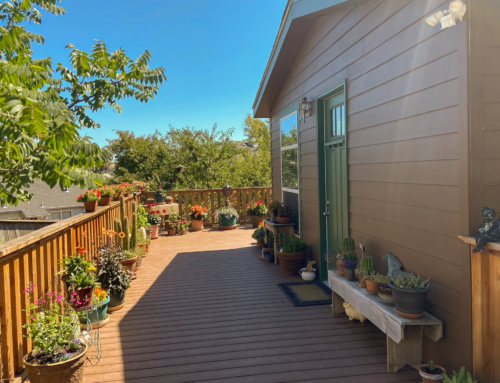
Living in Sonoma County, small living spaces, whether in a compact manufactured home, a modular build, or a carefully configured accessory dwelling, invite creativity. When square footage is limited, every design decision carries weight. The goal becomes more than just fitting things in; it’s about maximizing comfort, harmony, and function so that the home feels larger and more gracious than its footprint suggests. In this post, we’ll look at smart layouts, multifunctional furniture, and design tips that bring comfort and style to smaller homes, especially manufactured or modular ones, and show how interiors can transform compact living into something truly generous.

Start with a Thoughtful Floor Plan: Smart Layouts for Efficiency
In small homes, the floor plan is the skeleton upon which all design decisions rest. A smart layout lets you flow from area to area without cramped transitions. Key principles include:
- Open circulation paths: Minimize narrow corridors and dead-end hallways. Ideally, rooms should flow into one another without wasted transitional space.
- Zoning with visual openness: Use partial dividers, sliding panels, or translucent partitions to delineate areas without closing them off. This technique allows light and sightlines to carry through.
- Stacked functions: For example, place dining adjacent to the kitchen and combine seating near the kitchen island. Avoid repeating redundant circulation.
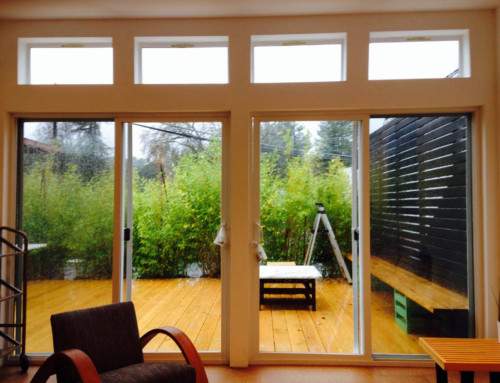
- Maximize natural light and cross-ventilation: Windows placed opposite each other allow breezes to pass, helping make spaces feel open and fresh.
When designing floor plans for manufactured buildings or modular homes, you might coordinate your layout with manufactured home permits. A smart plan ensures fewer permit complications and smoother execution during manufactured home transport and setup.
Furniture That Works Hard: Multipurpose & Flexible Pieces
One of the keys to making compact interiors feel generous is to choose furniture that does more than one job. Multipurpose furniture is essential when every inch matters.
- Murphy bedsor wall beds: These free up floor space during the day in bedrooms or dual-purpose rooms.
- Convertible dining-work tables: A table that folds or extends gives you a full work surface when needed and tucks away at other times.
- Built-in storage benches: Seating with hidden storage beneath or within helps eliminate standalone storage units cluttering the space.
- Nested or stackable tables: A set of nesting tables or stools can be spread when needed and nested to reclaim floor area.
- Sliding or folding panels: Instead of fixed furniture, use sliding elements (e.g., fold-down desks, sliding partition walls) to open or close spaces as needed.
In manufactured or modular homes, attention to the structural framing is key: you may need to coordinate furniture mounting, wall strength, and access. Custom small home installations often integrate built-in multifunctional pieces from the design stage, optimizing weight load and access.

Visual Tricks That Add Depth: Color, Light, and Reflection
Design techniques that manipulate perception are powerful in small spaces:
- Monochromatic or tonal palettes: A restrained color scheme—varying tones of the same hue—reduces visual clutter and makes divisions feel more seamless.
- Vertical accents: Stripes, tall bookshelves, or upright artwork draw eyes upward, enhancing perceived height.
- Mirrors and reflective surfaces: Strategically placed mirrors or glossy finishes bounce light and visually expand rooms. For example, a mirror behind a console table can make a hallway feel twice as deep.
- Layered lighting: Use ambient, task, and accent lighting so that corners aren’t left in shadow. Under-cabinet lighting or recessed lighting can open up darker zones.
- Open shelving and glass doors: Replacing solid cabinet doors with glass or open shelving lightens kitchen and living zones (with careful styling, so it doesn’t feel messy).
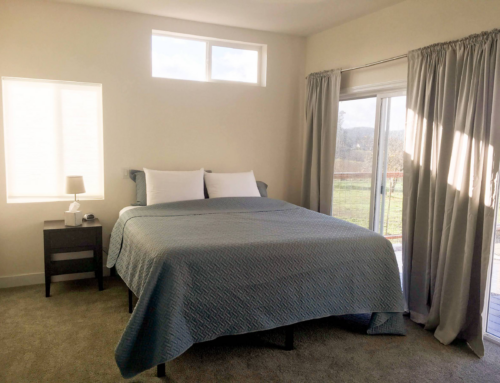
- Translucent dividers or curtains: Instead of solid walls, use light-filtering curtains or panels to allow light between zones while providing privacy when needed.
These visual tricks, when applied judiciously, help interiors breathe and feel larger than their dimensions.

Managing Moisture & Air Quality in Tight Builds
One of the challenges of tightly sealed homes—especially prefab ADUs or compact modular homes—is that moisture can become trapped, leading to condensation, mold, and stress on HVAC systems. Because these homes are built for energy efficiency, they often lack the natural leaks that older structures had.
To address this:
Use dedicated dehumidification systems suited to compact layouts, such as tankless, wall-mounted units or horizontal systems that fit above cabinets or in tight ceiling cavities.
Ensure that your HVAC system is properly sized—not oversized, which can lead to short-cycling and insufficient dehumidification. Over-sized systems often cool too quickly and don’t run long enough to pull moisture out.
Plan ventilation to bring in fresh air through conditioned coils or dehumidification circuits, so outdoor moisture isn’t introduced unchecked.
Consider systems like the IW25, a tankless, tamper-proof, wall-mounted dehumidifier that can cover up to 1,500 sq. ft., ideal for modular and prefab homes and ADUs. This unit is fully integrated, gravity drained, and discreet.
In very tight zones, crawlspaces, above cabinets, or between studs, a horizontal dehumidifier like the HWD45 can be placed above door headers or in cavities where a floor or wall unit wouldn’t fit.
Integrating dehumidification early in the design phase is critical for long-term structural health and occupant comfort.
Smart Storage: Decluttering Through Intentional Design
Clutter makes small spaces feel chaotic. Smart storage practices are foundational to making a compact interior feel orderly and expansive.
- Use every niche: Toe-kick drawers in kitchens, drawers under stairs or ramps, built-ins under windows, and overhead storage all add capacity without sacrificing footprint.
- Feature vertical storage: Tall built-ins that reach the ceiling maximize volume. Use rolling or sliding ladders where appropriate.
- Concealed storage: Use integrated cabinetry with flush doors so that storage recedes visually when closed.
- Limit pieces to multi-use storage: Furniture that combines seating and storage or swivel cabinets that reveal hidden compartments helps reduce the number of discrete units.
- Rotate seasonal use: Use off-season bins stored in less visible pockets (attics, crawlspaces, closets) to avoid overstuffing primary zones.
- Modular storage systems: Adjustable units that can reconfigure as needs change are ideal for evolving lifestyles.
Intentional storage ensures that what remains visible is the essence of living, not the bulk of possessions.

Bringing in Personality: Textures, Greenery & Details
Even in compact interiors, there is room for style, warmth, and personal expression.
- Layered textures: Combine smooth and tactile surfaces, woven rugs, linen curtains, sisal rugs, woven furniture—so that spaces feel rich without overcrowding.
- Plants and living corners: A few well-placed plants (wall-mounted, hanging, or in corners) add life and visual interest. Plants also help manage humidity levels in concert with dehumidification systems.
- Art and focal points: One or two striking pieces of art act as anchors. Choose vertical formats or elongated shapes to complement compact proportions.
- Rugs and area demarcation: Use rugs to define zones (living, dining, reading) even when the space is open-plan. This helps delineate without boxing in.
- Cohesive theme: A unifying style thread, coastal, minimalist, modern-rustic, ties small spaces together and prevents visual fragmentation.
Planning for Expansion: ADUs, Granny Flats & In-Law Units
Even if your current footprint is modest, many Sonoma County residents think ahead to growth, guest housing, or rental income. In particular, Sonoma ADUs for rental income and backyard cottages are options many consider.
When designing your primary home with expansion in mind:
- Reserve infrastructure (plumbing, electrical, HVAC) corridorsso it’s easier to tie in future units.
- Keep the design language consistent to allow modular or prefab extension that doesn’t feel tacked-on.
- For small supplemental buildings like caregiver cottages,ensure the main house is prepped for access, shared utilities, or common design flair.
- If considering further custom small home installations,aligning scale, setback, and site orientation ensures consistency.
- In places like Petaluma, you might explore installing small homes, which demand early coordination with layout and site constraints.
By designing with foresight, the small spaces you build today can evolve more gracefully tomorrow.

Reimagining Compact Living in Sonoma County
At Sonoma Manufactured Homes, we are passionate about helping people reimagine compact living without sacrificing comfort or style. In Sonoma County, where land costs and permit complexity can make full-size homes less feasible, small homes and smart modular builds offer a compelling alternative. We know the success of these homes depends on intelligent layouts, multifunctional furniture, moisture control, and gracefully integrated storage, and that’s exactly where our team excels. We combine expertise in manufactured home installation in Sonoma County and modular homes with built-in solutions for ventilation and dehumidification. We also support Sonoma ADU planning and accessory structures like Sonoma County granny flats if you’re ready to turn a modest footprint into a roomy, healthy, and stylish home—whether you’re planning a Sonoma County second unit or expanding an existing property. Reach out to our team today at 415-233-0423 to explore and start your custom small home journey.