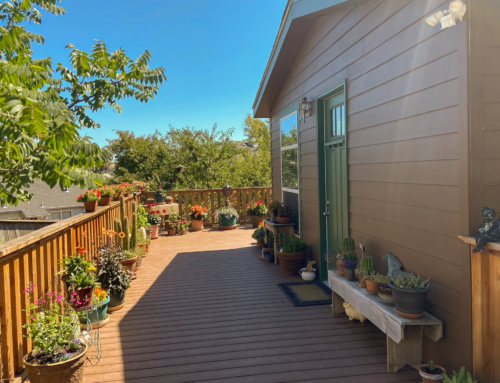

For decades, manufactured and modular housing carried the stigma of being temporary, fragile, or “starter” solutions. In reality, today’s innovations have transformed these homes into some of the most durable and practical options available. Factory-built precision, controlled environments, and strict regulations have reshaped the way people view modular housing. Each component is tested for resilience, assembled to withstand transport, and installed with engineering foresight that often surpasses traditional building methods. Durability now extends beyond the physical frame. Modular and manufactured homes incorporate weather resistance, fire safety, efficient insulation, and moisture management technologies that create a comfortable, long-lasting living environment. Unlike earlier generations of prefabricated housing, today’s designs demonstrate how engineered strength and modern innovation can work hand in hand. Investing in modular homes for urban living is no longer about affordability alone—it’s about gaining security, stability, and long-term value. When paired with the correct manufactured home permits, homeowners unlock structures designed for endurance, making them practical solutions for both families and investors.
Precision Engineering for Lasting Strength

Durability begins with the way these homes are designed. Factory-controlled construction eliminates the inconsistencies of on-site building. Materials are stored indoors, away from rain or temperature fluctuations that might compromise wood, drywall, or insulation. Every joint, truss, and panel is engineered to exact specifications and tested before leaving the facility. This precision ensures not only consistent quality but also exceptional strength. Walls are braced, floors are secured, and roofing materials are tested against stress, creating a frame that holds firm for decades. Just as critical is compliance with manufactured home permits, which guarantee construction follows rigorous safety and durability codes. Without proper certification, even a well-built home may face long-term risk. Combined with the resilience demanded by manufactured home transport, which requires each section to endure the stress of travel, these safeguards produce structures that are stronger by design and longer-lasting in practice.
Built to Withstand Weather Extremes

No home is truly durable if it cannot face the forces of nature. Manufactured and modular housing is built with environmental adaptability in mind. Reinforced roofs, storm-rated fasteners, and weather-resistant siding ensure protection from wind, rain, and snow. Insulation and moisture barriers provide comfort and efficiency while protecting against water damage that can compromise structural elements. Modular designs undergo regional testing to comply with local climate codes, whether it means preparing for heavy snowfall, earthquake-prone regions, or hurricane-level winds. Homeowners gain assurance that their residence can stand up to the challenges of the natural world. Durability also stems from the way these homes are prepared for manufactured home transport. Units must survive vibration, movement, and long-distance travel before arriving at their permanent site. This necessity leads to overbuilding in critical areas, which benefits owners for decades to come. Housing models like Sonoma ADUs for rental income embody this principle—designed not only for efficient space but also for weather resilience, ensuring safety and stability regardless of their purpose.
Safety Standards That Inspire Confidence

Durability and safety go hand in hand. Modular and manufactured homes are subject to federal building codes that often surpass traditional construction standards. Electrical wiring must meet rigorous testing. Plumbing systems are pressure-checked. Fire-resistant materials are used in walls and ceilings. Together, these measures reduce the risk of accidents while increasing the home’s long-term performance. Fire protection is a notable area of advancement. Adhering to manufactured home permits ensures every build aligns with updated safety codes, eliminating weaknesses that might otherwise emerge over time. Meanwhile, the adaptability of designs like home care cottages highlights how housing solutions benefit. Whether intended for extended family or independent caregivers, these cottages reflect the broader truth: safety is built into durability, not added afterward.
Installation: Where Durability Meets Execution
Even the strongest materials and designs cannot perform without proper installation. The way a manufactured or modular home is set on its foundation determines its long-term success. Improper leveling, inadequate anchoring, or poor integration with utilities can lead to uneven settling, leaks, or premature wear. Skilled installers eliminate these risks by following strict procedures for site preparation and setup. Done properly, installation enhances the home’s resilience and preserves its structural strength for decades. Done poorly, it can cut the lifespan in half. The importance of professionally manufactured home installation demonstrates how crucial this step is, regardless of location. Similarly, options such as caregiver cottages underscore the need for proper execution in compact designs. When homes are installed with care, every component functions as intended, ensuring residents enjoy long-lasting comfort and stability.
Moisture Management: Protecting what’s Inside
Moisture is one of the most destructive forces in housing. Left unchecked, it can cause condensation on walls, encourage mold growth, and weaken structural materials. Manufactured and modular homes address this challenge through advanced sealing, ventilation, and dehumidification technologies designed for long-term protection. Because these homes are tightly built for energy efficiency, they can trap humidity if not properly ventilated. Innovative solutions like built-in wall-mounted or horizontal dehumidifiers offer continuous moisture control without sacrificing floor space. Moisture management is especially vital in compact homes. Designs like backyard cottages demonstrate how effective ventilation and climate control extend durability even in smaller spaces. Paired with the resilience of caregiver cottages, these innovations create environments where occupants thrive and structures remain secure. Long-term housing success depends not only on external weather resistance but also on controlling the invisible elements within.
Customization Without Sacrificing Strength

Durability does not mean rigidity. Manufactured and modular housing allows for customization that enhances functionality without undermining strength. Engineers design these homes with adaptability in mind, ensuring changes—whether cosmetic or structural—fit within a stable framework. From flexible layouts to upgraded finishes, customization ensures homes evolve with their occupants. This adaptability adds another layer of durability: relevance over time. A house that can change with its owners remains valuable, avoiding the obsolescence that plagues rigid designs. The strength of customized backyard cottages illustrates this principle perfectly. While compact, they can be modified for accessibility, storage, or multi-purpose living without losing stability. Likewise, caregiver cottages showcase how small-scale personalization provides comfort while maintaining structural resilience. Far from being temporary, modular homes prove that long-term durability and customization coexist seamlessly.
Financial Security Through Long-Term Durability
Durability translates directly into financial stability. Homes that last longer cost less to repair and maintain, giving owners significant savings over time. Manufactured and modular homes deliver this benefit through reinforced construction, energy efficiency, and moisture-resistant materials that extend the lifespan of every component. Combined with lower upkeep, they represent an affordable long-term investment. For many families, they provide an entry into homeownership without sacrificing security. Durability also enables income opportunities. Structures like Sonoma ADUs for rental income are designed to withstand frequent use, ensuring steady returns for owners. In the same way, manufactured home permits protect the investment by confirming compliance with safety and building codes. Together, these measures create housing that is not just livable but financially sustainable for decades to come.
The Future of Reliable Housing

As housing needs evolve, modular and manufactured designs continue to push innovation. Builders incorporate eco-friendly materials, renewable energy options, and smart technologies to ensure homes remain relevant and durable for future generations. Durability now extends beyond physical strength to include adaptability in the face of environmental and technological change. The ability to integrate solar systems, advanced insulation, and efficient water management demonstrates how these homes future-proof themselves against rising costs and shifting needs. Modular construction is no longer a compromise—it is a forward-thinking solution to sustainability and resilience. For individuals exploring modular homes for urban living, the appeal lies not only in affordability but also in long-term performance. The same structural reinforcement that ensures safe manufactured home transport contributes to resilience once installed. These homes are built not just for today’s challenges but for tomorrow’s possibilities, making them a smart and lasting choice for modern living.
Building With Confidence for Generations
Durability is more than a design feature—it is the foundation of lasting housing solutions. Modern manufactured and modular homes combine precision engineering, weather resistance, safety standards, and moisture management to create structures designed to endure. For homeowners, the result is not only peace of mind but also a sound financial investment. Sonoma Manufactured Homes offers expertise in custom small home installations that prioritize strength, efficiency, and compliance. Our commitment ensures every project, from Sonoma County small homes to granny flats and small home construction in Sonoma County, is built for long-term reliability. For those ready to explore housing options that provide comfort today and confidence for tomorrow, the next step is clear: reach out to our team today or call us at 415-233-0423 to discuss specific needs and discover solutions designed to stand the test of time.