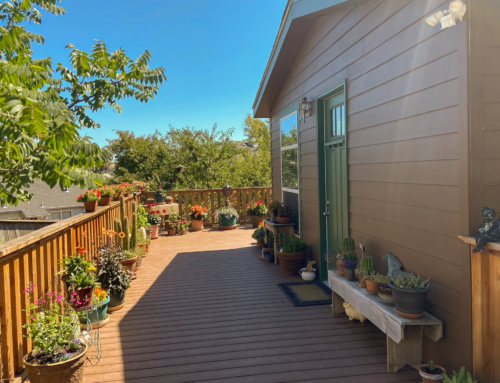

As families look for compassionate ways to support aging parents or loved ones, Sonoma caregiver cottages have emerged as one of the most thoughtful and practical housing innovations. These purpose-built small homes—often referred to as in-law units, second units, or Sonoma home care cottages—offer comfort, independence, and proximity. Caregiver cottages provide a safe, supportive, and flexible housing option that keeps generations together.
What Are Caregiver Cottages?
A caregiver cottage is a small, self-contained residence built on the same property as a main home. Typically equipped with a bedroom, bathroom, and compact kitchen, these spaces are designed to support older adults or family members who may require occasional or daily care.
These units often take the form of Sonoma County granny flats—adaptable structures that blend seamlessly into residential neighbourhoods. Unlike traditional long-term care facilities, caregiver cottages promote independence and privacy while keeping loved ones close enough for support and companionship.
These cottages are often modular or prefabricated structures, allowing for faster, more cost-effective construction compared to site-built homes. The growing popularity of prefab ADU reflects how families are embracing small-scale housing solutions that balance care needs with modern design and comfort.
Why Families Are Choosing Home-Based Care
Aging in place has become a top priority for many older adults—and for good reason. Familiar surroundings, continued community ties, and the emotional comfort of being near family play a major role in overall well-being. However, traditional home renovations can be disruptive or expensive, and moving into a care facility often feels impersonal.
Sonoma backyard cottages and second units offer a middle ground: they allow seniors to maintain their autonomy while ensuring that help is nearby. Families can tailor each cottage to meet specific accessibility needs, such as wider doorways, step-free entrances, and walk-in showers, creating a safer, more personalized living environment.
Beyond convenience, caregiver cottages strengthen family bonds. Grandparents can stay involved in daily family life, children learn from their elders, and caregivers find peace of mind knowing their loved ones are just steps away.

Smart Construction and Sustainability in Small Living
Modern small homes are a blend of craftsmanship and technology. Builders and homeowners are turning to custom small homes that prioritize both energy efficiency and comfort.
These cottages often incorporate eco-friendly materials, energy-efficient insulation, and natural ventilation to reduce long-term costs and environmental impact. However, the tightly sealed nature of modern modular structures introduces one notable challenge: moisture control.
Without adequate airflow or dehumidification, condensation can build up on windows and walls—especially in compact spaces. Over time, this trapped humidity can lead to mould, mildew, and unnecessary strain on HVAC systems.
For families considering modular homes for urban living, built-in dehumidifiers like the IW25 or HWD45 offer reliable moisture management. These compact, wall-mounted systems ensure that living spaces remain comfortable, healthy, and free from moisture-related damage—critical for both seniors’ health and home longevity.
Simplifying the Permitting and Installation Process
Building a caregiver cottage may seem like a major undertaking, but advancements in prefab and modular construction have made the process faster and smoother.
Obtaining manufactured home permits and approvals is now far simpler than in years past. Many homeowners find that these permits allow them to create flexible living options that can later serve as guest houses, rentals, or home offices.
Transporting and installing these homes is also streamlined. With professionally manufactured homes, transport families can often go from concept to completion in a matter of months—not years. Prefabricated and modular methods reduce construction waste, minimize site disruption, and allow for precise quality control in factory settings.
For homeowners in nearby areas, installing small homes follows similar procedures, with zoning rules increasingly supportive of compact living solutions designed to meet growing multigenerational and housing needs.
The Dual Benefit: Family Support and Financial Flexibility
While caregiver cottages were originally developed to meet family care needs, they also offer a smart financial advantage. When not occupied by relatives, Sonoma ADUs for rental income can generate steady returns, helping homeowners offset property costs or supplement retirement savings.
These adaptable units—whether they’re small living spaces represent a long-term investment in both property value and lifestyle flexibility. As local regulations continue to evolve in support of accessory dwelling units (ADUs), property owners gain the freedom to use these spaces creatively over time.
In a region where housing affordability and family care often intersect, caregiver cottages provide a meaningful balance—meeting emotional, practical, and financial needs at once while fostering security, independence, and lasting family togetherness.
Building for Comfort and Connection
Beyond the physical structure, the true value of a caregiver cottage lies in its ability to nurture emotional closeness and community. Designing Sonoma County small homes with thoughtful layouts, natural lighting, and privacy considerations ensures that every square foot supports comfort and dignity.
Modern prefab models can include smart-home features like motion sensors, temperature controls, and voice-activated lighting—enhancing safety for older residents while giving family caregivers peace of mind.
Whether built as Sonoma County granny flats or fully customized home care cottages, these spaces symbolize care, respect, and foresight. They enable families to stay connected across generations without compromising independence or privacy.

Future-Proofing Sonoma County’s Housing Landscape
As demographics shift and multigenerational living becomes more common, caregiver cottages will play a vital role in community resilience. Local policies now encourage Sonoma ADU development as part of broader housing solutions—ensuring that families can remain rooted while adapting to changing care needs.
Meanwhile, innovations in modular construction and prefab design are redefining what small living can look like. Homeowners exploring prefab small homes are finding that these structures not only meet immediate needs but also offer adaptable space for future generations.
From quick assembly timelines to sustainable materials and integrated comfort technologies, caregiver cottages are shaping the future of supportive, family-centred housing in Sonoma County and beyond, offering flexibility, long-term value, and a meaningful way to keep generations connected within thoughtfully designed, efficient, and accessible living spaces.
Health, Safety, and Comfort: Designing with Seniors in Mind
When creating Sonoma caregiver cottages, thoughtful design is more than just aesthetics—it’s about ensuring that every element supports health, safety, and accessibility. Features like single-level layouts, wide doorways, lever-style handles, and walk-in showers make daily movement easier for older residents. Ample lighting, both natural and artificial, reduces fall risks while promoting mental well-being.
For climate comfort, energy-efficient insulation and reliable ventilation systems play a critical role. In tightly constructed modular or prefab spaces, built-in dehumidifiers such as the IW25 or HWD45 can prevent moisture build-up that leads to mould and allergens. By integrating these smart systems into custom small homes, families ensure that their loved ones enjoy not only independence but also a healthy, safe living environment all year round.

The Growing Appeal of Small-Scale Living in Sonoma County
Across Sonoma County, homeowners are discovering that smaller homes can mean bigger possibilities. Beyond their role in caregiving, small living spaces are being embraced by retirees, young professionals, and extended families seeking flexible, affordable, and environmentally conscious housing. These affordable small homes make efficient use of land while maintaining high standards of design and comfort.
For many, these cottages are part of a long-term plan—serving as Sonoma County second units for family now and potential rental income later. Others choose prefab ADU as creative extensions of their property, combining personal use with future adaptability. As more residents explore small home construction, it’s clear that this trend represents more than a passing preference—it’s a lasting shift toward community-focused, sustainable living that supports every stage of life.
Building Better Family Futures with Sonoma Manufactured Homes
At Sonoma Manufactured Homes, we’ve seen how powerful it can be when families invest in spaces that bring loved ones closer. Whether you’re caring for an aging parent or planning ahead for flexible family living, our team specializes in creating Sonoma caregiver cottages and small homes that balance comfort, care, and craftsmanship. Each project is designed to deliver safety, beauty, and peace of mind. With years of experience in ADU installation in Sonoma County, we provide a complete path from design to delivery. Our prefab and modular models are ideal for small homes in Petaluma—each built with precision and care. If you’re ready to explore how a Sonoma County granny flat can enhance your property and support your family’s future, our team is here to help. To discuss your specific needs and explore how we can help, call us now or reach out to our team today.