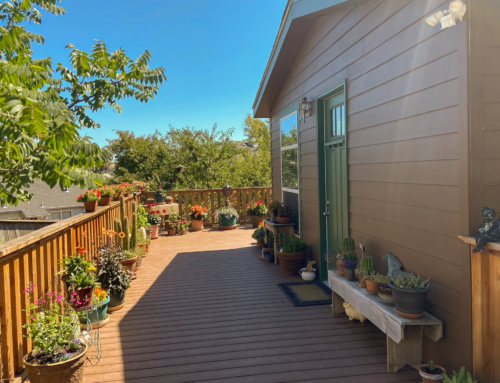
Petaluma’s climate has range. You can wake up to cool fog, enjoy a warm afternoon, and end the day with damp, chilly air settling back in. That mix is part of what makes Sonoma County appealing—but it also means your home has to work a little harder to stay comfortable in every season.
At Sonoma Manufactured Homes, we focus on modular and factory-built homes that are designed from the ground up for comfort, not just curb appeal. For many of our customers, installing small homes in Petaluma is about getting a right-sized space that feels solid, efficient, and easy to live in all year, not just when the weather cooperates.
Modern modular homes offer speed, efficiency, and affordability. They’re built precisely and tightly sealed so you’re not wasting energy. But those same advantages introduce new challenges, especially around indoor humidity and airflow. If you don’t plan for them, you can end up with condensation, musty smells, or systems that have to work harder than they should. We design your home so it feels comfortable from day one—and stays that way.
Comfort in Petaluma Starts with Smart Design
You don’t feel “comfort” on a blueprint, but that’s exactly where it begins. The way rooms are laid out, how windows are placed, where doors and vents go—these details decide whether your modular home feels calm, bright, and fresh, or cramped and stuffy.
When we’re installing small homes in Petaluma, we start by looking at your site: where the sun hits, prevailing wind, privacy needs, and how you’ll actually use the space. A home meant for full-time living has different needs than a guest suite or rental.
From there, we think about how people will move through the home:
- Clear circulation paths so you’re not squeezing around furniture.
- Logical locations for heating and cooling so comfort is even, not patchy.
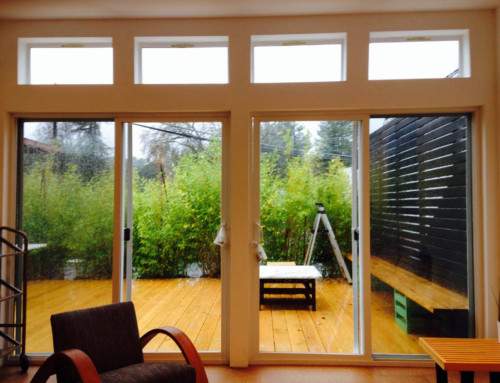
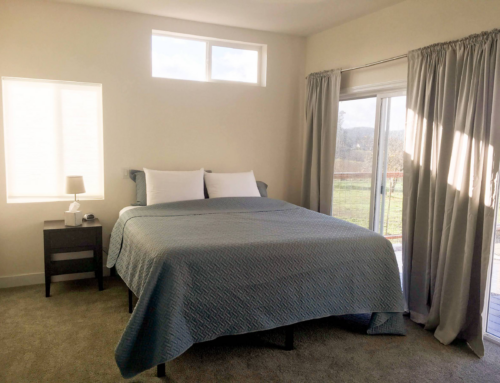
- Window placement that balances natural light with privacy and solar gain.
Because we work on small home construction in Sonoma County every day, we know how much difference it makes to get these basics right. A few smart choices in the design phase can eliminate a lot of day-to-day frustrations once you move in.
Insulation, Windows, and the Power of a Tight Shell
One of the biggest strengths of modular homes is quality control. In a factory setting, insulation is installed consistently, gaps are minimized, and windows and doors are set with precision. That tighter building shell is a big part of why modern modular homes feel solid and quiet.
In Petaluma’s cooler months, a well-insulated shell helps hold warmth in longer, so your heating system doesn’t have to run constantly. During warmer spells, it slows down heat gain, keeping interiors more stable and comfortable.
But that tight construction has another side. Without proper planning, a home that’s sealed up for efficiency can also seal in moisture. Everyday activities—showers, cooking, laundry, even breathing—release water vapor into the air. In compact Sonoma County small living spaces, that moisture accumulates quickly. When warm, humid air hits cooler surfaces like windows or exterior walls, condensation forms. Over time, that can lead to:
- Damp window frames and sills
- Mold and mildew on surfaces or hidden inside cavities
- Extra strain on HVAC equipment trying to “dry” the space
This is why we think of insulation, windows, ventilation, and dehumidification as one system, not separate pieces. They’re all working together to keep your home comfortable.
Ventilation and Fresh Air Without the Drafts

Smart construction methods help Petaluma modular homes stay energy-efficient all year
In our modular projects and prefab small homes in Petaluma, we pay close attention to:
- Bathroom and laundry exhaust – pulling humid air out quickly so it doesn’t spread through the home.
- Kitchen ventilation – removing steam and cooking byproducts at the source.
- Balanced airflow – making sure fresh air comes in where and how you want it, not through gaps in the building envelope.
Because we’re designing the whole system upfront, we can route ductwork properly, position vents where they actually work, and coordinate everything with insulation and dehumidification. This is especially important when we’re installing small homes in Petaluma that will be used full-time; day-in, day-out living generates more moisture than occasional guest use, and the ventilation strategy needs to reflect that reality.
The Science of Moisture: Why Dehumidification Matters
Temperature gets most of the attention, but humidity is just as important to how a home feels. Too much humidity and the air feels heavy and clammy. Too little and it feels dry and uncomfortable. In compact, energy-efficient homes, high humidity is the more common problem—especially in Sonoma County’s cooler, damp months.
Because modular homes are tightly constructed for energy efficiency, they can easily trap moisture without proper ventilation or dehumidification. Left unmanaged, that can lead to:
- Condensation on windows and walls
- Mold and mildew growth in visible and hidden areas
- Increased strain on HVAC systems as they struggle to manage both temperature and moisture
We specialize in innovative, built-in dehumidification solutions designed specifically for compact, efficient living spaces. Our flagship product, the IW25 is a tankless, tamperproof, gravity-drained wall-mounted dehumidifier that covers up to 1,500 sq. ft. It’s a perfect fit for:
- Modular and prefab homes
- ADUs and backyard cottages
- Student and senior housing
- Hospitality and multifamily spaces
Because it’s gravity-drained and wall-mounted, there’s no tank to empty and no portable unit to trip over. It simply does its job quietly in the background.
We also offer the HWD45, a horizontal dehumidifier that installs above doors, cabinets, or in crawlspaces—ideal for tight layouts where floor or wall space is limited. It’s a smart way to protect finishes and structure without giving up usable square footage.
By treating dehumidification as a built-in part of manufactured home installation in Sonoma County, rather than an afterthought, we protect both comfort and long-term durability.
Real-World Layouts That Feel Good in Every Season
A comfortable home is more than a list of specs; it’s how everything comes together in real life. We’ve seen again and again that the most livable modular homes share a few traits:
- Light that’s balanced, not glaring – windows placed to capture brightness without overheating spaces.
- Quiet, efficient systems – heating, cooling, and dehumidification that do their job without drawing attention.
- Logical room relationships – bedrooms kept away from noisier areas, baths located where ventilation is easy and effective.
Because we handle custom small home installations, we’re not just dropping the same plan on every lot. We look at your actual property, discuss how you want to live, and then adapt proven layouts to fit.
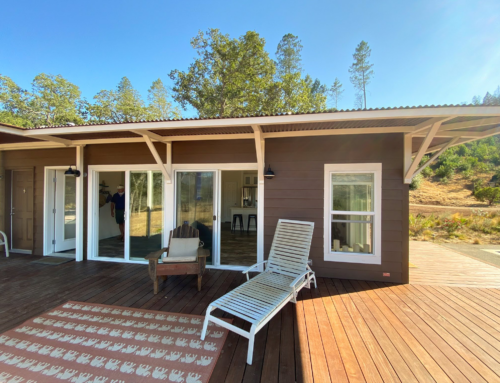
If you’d like to see how these ideas look in finished homes, our gallery is a great place to start. And while the URL says “ADU,” many of the plans on our ADU models page also work beautifully as standalone modular homes, guest cottages, or second dwellings in Petaluma and the wider county.
Ready to Bring Year-Round Comfort Home in Petaluma?

High-quality insulation and design features enhance seasonal comfort in modular living spaces.
- A solid, well-insulated shell
- Thoughtful ventilation and fresh-air paths
- Built-in dehumidification that keeps humidity in the sweet spot
- A layout tuned to real life, not just a floor plan drawing
That’s the approach we take at Sonoma Manufactured Homes. We combine efficient modular building with moisture-aware design so your home feels comfortable through Petaluma’s foggy mornings, warm afternoons, and damp evenings. When we’re installing small homes in Petaluma, we’re not just delivering a structure—we’re delivering a complete comfort system that’s designed to last.
If you’re ready to talk about a new modular home, guest cottage, or second dwelling, we’d be happy to walk you through options and timing. You can call us directly at 415-233-0423 or reach our team through the contact page to schedule a quick consultation and discuss your site. For inspiration, explore example layouts on our ADU models page and completed projects in the gallery.