What do people really mean when they say “granny flat,” and is it the same thing as a second unit? Homeowners often use these terms interchangeably, yet the distinctions can affect design choices, permitting, costs, and long-term comfort.
Indoor air can be 2–5 times more polluted than outdoor air, a concern that becomes even more pressing in compact, energy-efficient housing.
At Sonoma Manufactured Homes, we see how smart planning, clear terminology, and thoughtful building systems—including moisture control—make these living spaces healthier and more practical.
In this post, we break down the key differences between granny flats, second units, and related housing types, and explain how to choose the option that fits your goals.
Why Terminology Matters
Words shape expectations. When homeowners hear “granny flats,” they may think of a detached backyard structure for aging parents. “Second units” can sound more formal and regulatory. While these ideas overlap, understanding how each term is commonly used helps clarify:
- Permitting pathways
- Design flexibility
- Intended occupants
- Long-term usability
Clear language also helps align lifestyle needs with local rules and construction methods.
What Are Granny Flats?
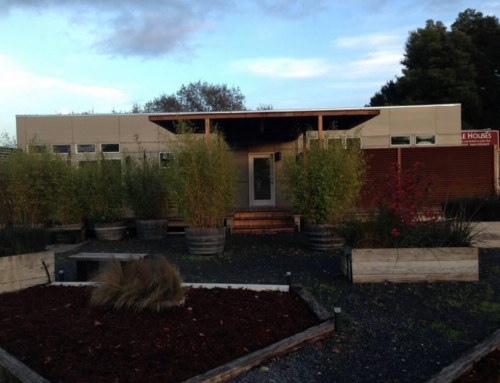
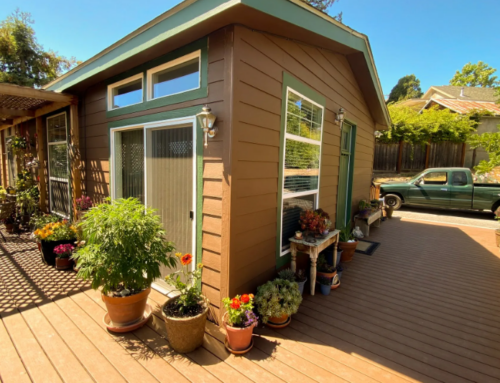
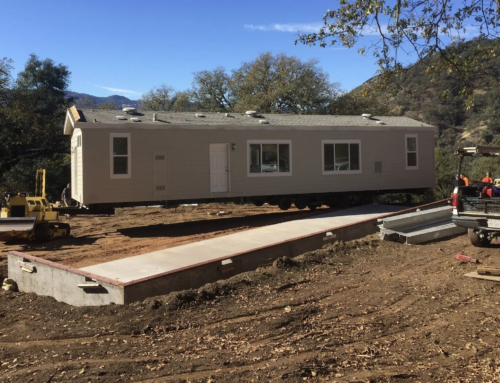
Granny flats are generally smaller, self-contained residences located on the same lot as a primary home. Historically, they were created to house older relatives while keeping them close to family support. Today, the term is broader and often used casually.
Typical characteristics include:
- A private entrance
- A compact kitchen and bathroom
- One or two bedrooms
- Separation from the main home, though sometimes attached
In conversation, people often use “granny flats” to describe backyard homes, garage conversions, or even prefabricated units placed behind an existing house. Because the term is informal, it can mean different things depending on who is using it.
What Are Second Units?
A second unit is a more formal term often found in zoning codes and permit applications. It refers to an additional, legally recognized dwelling on a single residential lot.
Key features of second units:
- Legal status– They are permitted as full residential dwellings.
- Independent living– Complete kitchen, bathroom, and sleeping areas.
- Flexible form– Detached, attached, or converted from existing space.
When homeowners talk about Sonoma County second units, they are usually referring to this regulatory definition rather than a casual description. In practice, many granny flats qualify as second units once they meet code requirements.
How In-Law Units Fit In

Granny flats are generally smaller, self-contained residences located on the same lot as a primary home
In-law units sit somewhere between casual language and formal classification. The term highlights who might live there rather than how the structure is permitted.
Common uses include:
- Housing aging parents
- Supporting adult children
- Providing space for caregivers
Phrases like Sonoma County in-law units or caregiver cottages are often used when family care is the primary motivation. Structurally, these homes may be identical to other small residences; the difference lies in intent, not construction.
Caregiver Cottages Explained
Caregiver cottages are designed to support on-site care for seniors or individuals with health needs. They prioritize:
- Accessibility features
- Proximity to the main home
- Privacy for both households
They may be temporary or permanent, depending on local rules. When people mention Sonoma caregiver cottages, they are usually emphasizing function rather than a separate housing category.
Prefabricated Options and ADUs
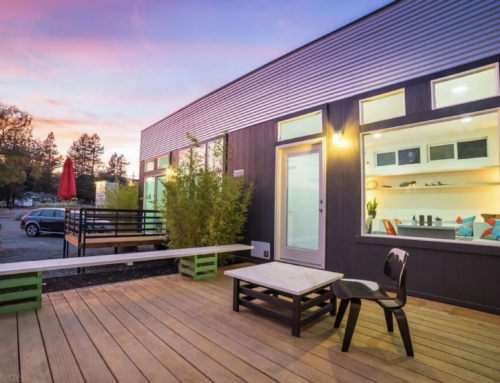
Prefabricated and modular construction methods have become popular for accessory dwellings because they offer speed, efficiency, and predictable quality. A prefab ADU in Sonoma County, for example, can often be installed faster than a fully site-built structure.
Advantages of modular construction include:
- Shorter build timelines
- Consistent factory quality
- Reduced on-site disruption
However, energy-efficient construction also creates tighter building envelopes. Without proper ventilation or dehumidification, moisture can build up, leading to condensation on windows, mold or mildew growth, and extra strain on HVAC systems. These issues matter regardless of whether the space is called a granny flat, second unit, or in-law suite.
Why Moisture Control Is a Big Deal in Compact Homes
Smaller, efficient residences respond differently to everyday activities like cooking, showering, and sleeping. Moisture has fewer places to go.
Common challenges include:
- Damp indoor air lingering longer
- Condensation forming on cooler surfaces
- Hidden moisture in walls or ceilings
Built-in solutions matter more than portable fixes. Tankless, gravity-drained dehumidification systems designed for efficient homes help manage humidity quietly and continuously. Wall-mounted options can cover up to 1,500 square feet, while horizontal units installed above doors or in crawlspaces work well when wall or floor space is limited. These systems are especially helpful in modular and prefab residences used for student housing, senior living, hospitality, or multifamily settings.

In-law units sit somewhere between casual language and formal classification
Choosing the Right Option for Your Needs
When deciding between a granny flat, second unit, or similar structure, it helps to focus on outcomes rather than labels.
Ask practical questions such as:
- Who will live here now, and in five years?
- Should the unit be detached or connected?
- Is long-term rental a possibility?
- How will indoor air quality be maintained year-round?
The answers often point toward the right design and permitting path. The name comes later.
Common Misconceptions
Many homeowners assume:
- Granny flats are always informal or temporary
- Second units must be rented out
- Prefabricated homes compromise comfort
In reality, a well-planned small residence can feel solid, quiet, and healthy when systems like ventilation and moisture management are integrated from the start.
Bringing It All Together
So, is a granny flat really different from a second unit, or is it just a matter of wording? The truth is that the structures often overlap, but the language shapes expectations, approvals, and design choices. Whether you are considering a family-focused in-law suite, a caregiver cottage, or a fully permitted second unit, clarity at the beginning saves time and frustration later.
At Sonoma Manufactured Homes, we help homeowners think through these distinctions while addressing the less visible challenges that come with efficient, compact living—especially indoor humidity control.
If you are planning a new living space and want guidance that accounts for comfort, efficiency, and long-term use, call us at 415-233-0423 to talk through your options and see how the right systems can support healthier everyday living.