Obtaining a permit for a manufactured home can seem complex, especially for property owners unfamiliar with local requirements and approval procedures. While manufactured homes offer an efficient and cost-effective housing solution, the success of a project often depends on securing approvals in a timely manner. Understanding the permit process, gathering the proper documentation, and anticipating potential challenges can significantly reduce delays. This guide explores the key aspects of manufactured home permit approval, helping property owners navigate the process more efficiently while avoiding common obstacles.
Understanding the Manufactured Home Permit Process
Every manufactured home project begins with a review of local building and zoning requirements. Authorities evaluate whether the proposed installation complies with land use regulations, setback requirements, utility access, and safety standards.
The process for obtaining manufactured home permits generally involves submitting plans, site information, utility details, and other supporting documents for review. Depending on the property and project scope, multiple departments may participate in the approval process, including planning, building, environmental health, and public works agencies.
A clear understanding of the requirements before submission can save valuable time and reduce the likelihood of revisions.
Required Documentation for Approval
One of the most important factors influencing approval timelines is the completeness of the application package. Missing information is among the most common causes of permit delays.
Property owners are often required to provide site plans, foundation details, utility connection plans, grading information, and manufacturer specifications. In projects involving manufactured home installation, local agencies may also request documentation demonstrating compliance with zoning regulations and property development standards.
Before submitting an application, it is beneficial to review all documentation requirements carefully and ensure that plans are prepared accurately and consistently.

Missing information is among the most common causes of permit delays
Common Reasons Permit Applications Are Delayed
Even well-planned projects can encounter setbacks during the review process. However, understanding the most common causes of delays allows applicants to address issues proactively.
Incomplete applications, inaccurate site plans, unresolved zoning questions, and missing utility information frequently result in additional review cycles. Delays can also occur when property owners underestimate site preparation requirements related to drainage, grading, or access.
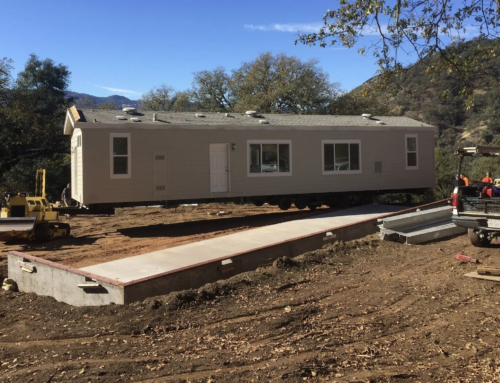
For projects involving manufactured home transport, agencies may require additional information regarding delivery routes, site accessibility, and installation logistics. Addressing these details early can help prevent scheduling conflicts and approval bottlenecks.
Site Preparation and Installation Considerations
Permit reviewers often pay close attention to how a site will accommodate the manufactured home. Proper preparation is essential for both safety and long-term performance.
Applicants may need to demonstrate that the property can support foundation systems, utility connections, drainage requirements, and access pathways. Site-specific factors such as slope, soil conditions, and environmental considerations can also affect the review process.
Many projects involving custom small home installations benefit from early site assessments. Identifying potential challenges before submitting permit applications allows property owners to develop solutions that align with regulatory expectations and minimize revisions.

Early planning helps prevent delays and reduce permit revisions
Planning for Efficient Utility and Infrastructure Reviews
Utility connections are a critical component of manufactured home approvals. Water, sewer, electrical, and gas systems must meet applicable standards and be properly integrated into the property.
Permit reviewers frequently evaluate utility plans alongside structural documentation. In some cases, additional approvals from utility providers may be required before final permits can be issued.
This is especially important for projects associated with small home construction where existing infrastructure may require upgrades or modifications. Coordinating utility planning early in the project timeline often contributes to faster permit processing and fewer unexpected delays.
Moisture Management Considerations in Modern Manufactured Homes
Modern manufactured and modular homes are designed with energy efficiency in mind. While this provides many benefits, tighter building envelopes can also create challenges related to indoor moisture and ventilation.
Without adequate moisture control, homes may experience condensation on windows and walls, increased strain on HVAC systems, and conditions that encourage mold and mildew growth. These concerns can be particularly important in compact living environments where airflow may be more limited.
Property owners considering modular homes for living often benefit from evaluating built-in moisture management solutions during the planning stage. Integrated dehumidification systems can help maintain indoor comfort, improve air quality, and protect interior finishes from excess humidity.
Innovative products such as wall-mounted and horizontal dehumidification systems are increasingly being incorporated into efficient housing designs, especially where space-saving solutions are a priority.
Strategies for Faster Permit Approval
While every project is unique, several best practices can improve approval efficiency and reduce unnecessary delays.
Start by reviewing zoning and development requirements before preparing plans. Ensure all documentation is complete, accurate, and consistent across application materials. Maintain open communication with reviewers and respond promptly to requests for additional information.
Property owners pursuing custom small homes often find that early coordination among designers, installers, engineers, and permitting agencies helps streamline the process significantly. A proactive approach can reduce revisions, improve project scheduling, and support a smoother path from application to installation.
Move Forward with Confidence
At Sonoma Manufactured Homes, we know that navigating permits and approvals can feel overwhelming. Whether you are planning Sonoma County small homes or exploring affordable small homes in Sonoma County, our team is here to help simplify the process and support a smoother path from planning to installation. If you would like to learn more about our experience and approach, we invite you to explore Sonoma Manufactured Homes. To discuss your specific needs and explore how we can help, reach out to our team today.