Unused property often costs homeowners more than they realize. Whether it’s an underutilized backyard, an oversized lot, or a neglected side yard, vacant spaces represent a missed opportunity for additional income, extended living space, and long-term property value. The good news is that converting those spaces into functional living units no longer means months of construction chaos, soaring contractor bills, or navigating an impossible permitting maze alone, as modern construction methods have made it possible to add fully livable, income-generating spaces to properties.
Understanding what that process looks like, from the challenges property owners face to the construction methods that resolve them, is the first step toward making it happen.
The Hidden Cost of Unused Space
Most property owners don’t think of vacant land as an expense, but that’s exactly what it is. Every month that a backyard, side lot, or underused corner of a property sits empty is a month of rental income, family housing, or long-term equity left on the table. In Sonoma County, where housing demand remains strong and property values continue to climb, leaving land undeveloped is a cost that compounds quietly over time. Conventional construction brings noise, budget overruns, and uncertainty around manufactured home permits, which is where modular and prefab methods change everything.
Why Modular and Prefab Construction Makes Sense
Understanding the difference between construction methods helps property owners make smarter decisions before a single permit gets filed. Both modular and prefab approaches offer significant advantages over conventional builds, but they work differently, and the details matter more than most buyers expect. Modular homes, for instance, are built to tight energy efficiency standards, which is a genuine asset, but that same airtight construction can trap moisture without proper ventilation, leading to condensation, mold growth, and added strain on HVAC systems. Factoring in built-in dehumidification from the start is the kind of method-specific consideration that separates a smooth build from a costly one. Knowing which approach fits the project best sets the entire process up for success.
Modular Construction
Modular construction involves building a home in large sections, called modules, in a controlled factory environment. Once completed, these modules are transported to the site and assembled on a permanent foundation, much like a traditionally built home. Because modular homes meet the same local building codes as site-built structures, property owners get a permanent, high-quality residence without the extended timelines of conventional construction.
For property owners looking to add functional living units to their lot, this means a finished unit that holds its value, blends into the existing property, and carries the same legal standing as any other home on the lot. Custom small home installations built through the modular process offer meaningful design flexibility, allowing homeowners to adjust layouts, finishes, and energy-efficient features to match their lifestyle and the character of the surrounding property.
Prefab Construction
Prefab ADU installations fall under a broader category that covers any structure built primarily off-site and delivered ready for installation. Its biggest advantage is speed and efficiency, as most installations are completed in weeks rather than months, with far less on-property disruption during the process. This allows property owners to spend less time managing a construction site and more time putting their new space to work.
This approach reduces material waste and labor costs, making affordable small homes in Sonoma County a realistic goal for a wide range of budgets, not just those with deep pockets. For families exploring Sonoma ADUs for rental income or multigenerational housing solutions, the prefab route delivers results faster without sacrificing quality or long-term durability.

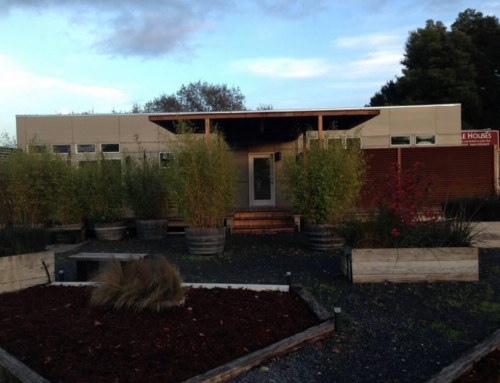
Modern prefab construction delivers stylish, move-in-ready living spaces without the timelines of conventional builds
Planning Your Conversion
Before any unit gets delivered to a property, there’s important groundwork to cover. Skipping this stage is one of the most common and costly mistakes property owners make.
- Assess site conditions: Delivery and installation of modular units requires adequate access, typically a 14-foot-wide path of travel and at least 15 feet of overhead clearance. Flat land makes the process smoother, though experienced crews can handle site preparation when the terrain requires it.
- Understand zoning and permits: ADU installation should follow California’s updated ADU laws, which have been streamlined in recent years to encourage more housing development. Still, navigating local requirements takes expertise, which is why working with a team that handles manufactured home permits from start to finish removes a significant burden from the homeowner’s plate and eliminates the risk of costly compliance delays down the line.
- Define the purpose:Whether the goal is generating income through ADUs for rental income, housing an aging parent in a caregiver cottage, or creating a private retreat for an adult child with a backyard cottage, the intended use shapes every subsequent decision from floor plan, square footage, utility connections, and accessibility features.

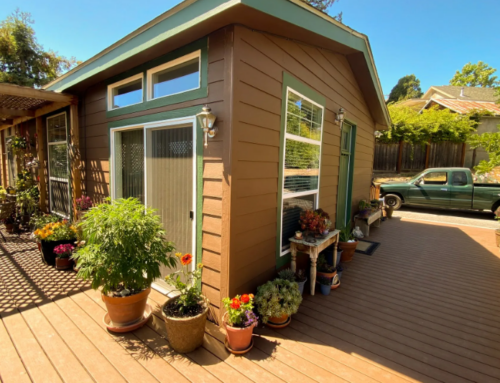
A fully finished prefab living unit is proof that compact spaces can be both functional and beautifully designed
Design Choices That Make Small Spaces Work
The most common concern property owners have about compact functional living units is whether the space will feel livable rather than limiting, and thoughtful design, paired with the flexibility modular construction offers, is what makes the difference.
Constructors use open floor plans that are foundational, eliminating unnecessary interior walls and letting light flow freely between the kitchen, living, and sleeping areas, making even a modest footprint feel spacious. The use of dining tables that double as a workspace and built-in storage that replaces standalone pieces makes units genuinely livable rather than simply functional.
Vertical spaces are often underused in small living spaces. Tall cabinetry, ceiling-height shelving, and thoughtful built-ins can dramatically increase storage without consuming floor space, and the same logic extends to moisture management, where a wall-mounted, tankless dehumidifier like the IW25 fits neatly into modular layouts, covering up to 1,500 sq. ft. while draining via gravity and running quietly in the background. During custom small home installations, this kind of thinking is built into the design from the beginning rather than added as an afterthought.
Natural light carries more weight in compact spaces than in large ones, which is why large windows, well-placed skylights, and light-toned interior finishes all contribute to an open, airy feel that keeps the unit comfortable to live in and appealing to potential renters, while proper ventilation and humidity control work behind the scenes to protect the integrity of that tight, efficient construction.

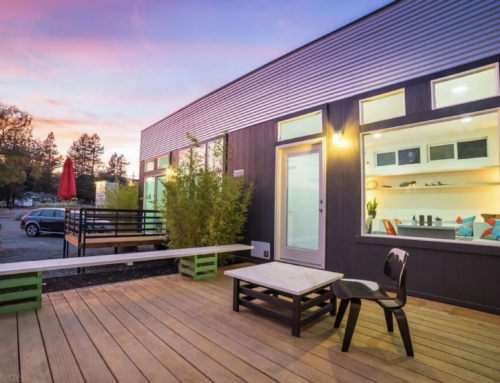
Turning vacant property into a fully livable space starts with the right construction method and the right design choices
What the Installation Process Actually Looks Like
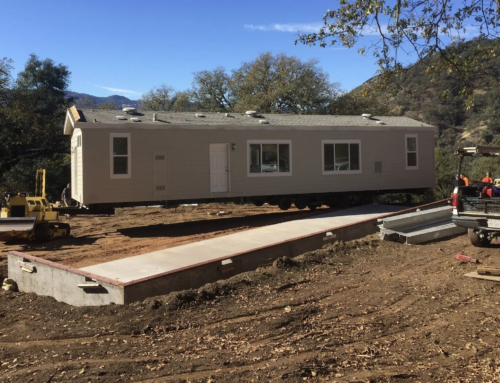
Once designs are finalized and permits are secured, the installation phase is where everything comes together. For installation projects, the process begins with site preparation that includes grading the land, establishing utility connections, and ensuring the property meets the access requirements needed to receive the unit. Once the site is ready, the prefabricated or modular structure is transported and set onto its permanent foundation.
From there, the crew handles all finishing work, including mechanical considerations like humidity control, where horizontal dehumidifiers can be installed above doors, cabinets, or in crawlspaces during the finishing stage, keeping tight layouts clean and uncluttered, ensuring the unit is code-compliant, fully connected, and ready for immediate occupancy. This streamlined sequence means far fewer delays, fewer surprises, and a move-in-ready result that property owners can count on.
Let’s Build Something That Works for You
At Sonoma Manufactured Homes, we convert unused property into fully livable functional living units by handling everything from site assessment and floor plan design to manufactured home permits and final installation. With over 50 years of high-end construction experience, our team delivers a seamless, turnkey process for granny flats, second units, prefab small homes in Petaluma, and everything in between.
Contact us today to discuss the property, explore available options, and take the first step toward a finished, move-in-ready space with minimal disruption and maximum return, or you can reach us directly at 415-233-0423.