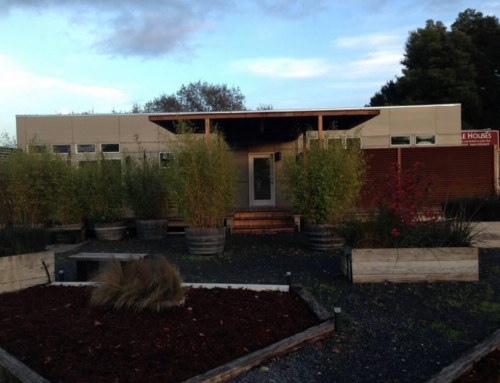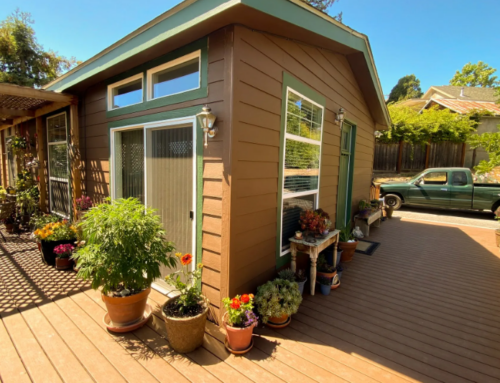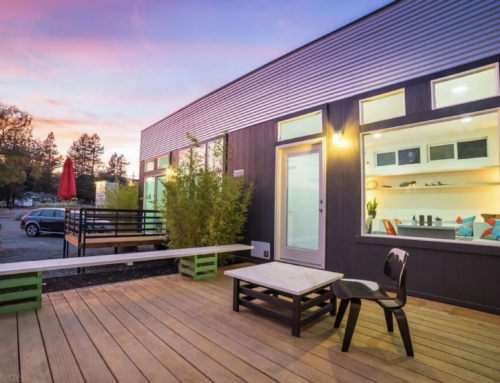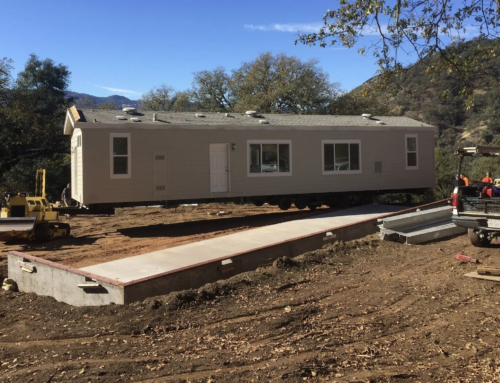
One of the biggest complexities of owning a property is how to use the spaces behind homes. As aging parents require more support, caregivers need closer proximity, and multigenerational households become more common. Compact backyard living units are designed specifically to address these needs, offering a way to keep loved ones close without sacrificing privacy, independence, or comfort.
The Growing Pressure on Families to Find Closer Housing Solutions
The challenge of caring for an aging parent or housing a full-time caregiver is one most families underestimate until they’re living it. Moving a relative into the primary home often creates tension around privacy and independence for both parties. Assisted living facilities carry high costs and frequently fall short of the personal attention families want to provide. Renting separate properties nearby adds expense without the convenience of true proximity.
What families in Sonoma County increasingly need is a middle ground, a solution that keeps a loved one within reach without collapsing the boundaries that make multigenerational living sustainable. This is why most property owners choose to invest in backyard cottages, knowing that they offer purpose-built living spaces that sit on the same property as the primary home, while also maintaining the separation that both residents and caregivers need to function well day to day.
The obstacle, historically, has been that construction is expensive, time-consuming, and disruptive, the last thing a family already managing the demands of caregiving needs. This is where prefab and modular construction methods change the equation entirely.

Finding a housing solution that balances proximity, privacy, and affordability is one of the biggest challenges facing multigenerational families today
Why Prefab and Modular Construction Fits Care-Oriented Living
Prefab ADU installations offer families a faster, more cost-effective path to adding a care-oriented living unit to their property. Because the structure is built off-site in a controlled factory environment and delivered ready for installation, on-property disruption is minimal, and the timeline is significantly shorter than conventional construction. For families already managing the demands of caregiving, that reduction in disruption and waiting time isn’t just a convenience; it becomes a meaningful relief.
What’s equally important to plan for at this stage is indoor air quality, as modular homes are built tight for energy efficiency, they can trap moisture without proper ventilation, leading to condensation, mold growth, and added strain on HVAC systems. For elderly occupants or those with respiratory sensitivities, built-in dehumidification is a consideration worth raising early in the design process.
For families navigating installation requirements, the modular route also simplifies the permitting process as modular homes meet the same local building codes as site-built structures, which means the finished unit carries full legal standing and can be designed to meet California’s accessibility requirements from the ground up. Wider doorways, step-free entrances, lower countertops, and grab bar reinforcements can all be built into the original design rather than retrofitted later — a distinction that matters enormously for elderly residents or those with mobility challenges.
Where prefab ADU installations deliver speed and cost efficiency, small living spaces built through the modular process add a deeper level of customization that care-oriented living demands. Floor plans can be adjusted, finishes selected, and accessibility features prioritized based on the specific needs of an aging parent, a live-in caregiver, or an adult family member requiring closer support. Together, these two approaches give families the most practical and flexible path to a backyard living unit designed around genuine family support needs.

Prefab and modular homes support efficient, adaptable living for care-focused environments
Designing Backyard Living Units for Privacy
The design of a care-oriented backyard living unit is where intention has to meet practicality. A unit that looks good on paper but fails to account for the daily realities of caregiving or aging in place will create friction, and that is the last thing families managing complex support needs can afford.
For homeowners managing caregiving, privacy isn’t a preference; it’s a requirement. Positioning the unit to give the occupant a genuine sense of independent living, with a separate entrance, screened outdoor space, and window placement that avoids direct sightlines into the primary home, makes all the difference in how well the arrangement functions day to day. Sonoma backyard cottages designed with this level of spatial awareness allow both households to operate independently while keeping meaningful support within easy reach.

Backyard living units can be designed to enhance privacy through thoughtful placement, layout, and separation from the main home
Accessibility Features That Make Care-Oriented Units Functional
Accessibility drives every other design decision in a care-oriented unit. Single-level layouts eliminate the fall risk that stairs introduce, while wider hallways and doorways accommodate mobility aids. Bathroom configurations need to account for grab bars, roll-in shower access, and a turning radius for wheelchairs. Lighting levels in kitchens and bathrooms should exceed standard residential specifications to support aging eyesight. These are not optional upgrades in a care-oriented context but baselines that make the unit genuinely functional for its intended occupant. Humidity control belongs in that same category. A wall-mounted, tankless dehumidifier like the IW25 can be installed cleanly without consuming floor space, making it a practical fit for the compact, accessibility-focused layouts that care-oriented units require.
Installations that incorporate these requirements from the design phase produce far better outcomes than units that attempt to add accessibility features later on. Retrofitting a finished space never delivers the same result as planning for it from the ground up, which is why the installation process itself deserves just as much attention as the design choices that precede it.
Choosing the Right Layout for a Caregiver or Elderly Occupant
Layout decisions in care-oriented homes carry more weight than in standard residential builds. Every square foot has to earn its place, and the arrangement of rooms, doorways, and circulation paths directly affects how safely and comfortably the occupant can move through the space day to day. Single-level open layouts are the most functional baseline for elderly residents, eliminating the fall risk that level changes introduce and keeping all essential areas such as bedrooms, bathrooms, and kitchens within easy reach of one another.
For most caregiver cottages, the layout also needs to account for the caregiver’s workflow, enough space to assist with personal care, clear sightlines between key areas, and a bathroom configuration that supports assisted bathing without feeling institutional. Where floor or wall space is limited, horizontal dehumidifiers like the HWD45 can be installed above doors, cabinets, or in crawlspaces, keeping the layout clean while still protecting the space from the moisture issues that tight construction can invite. Layouts like these are what make homes in Sonoma County genuinely reliable.
Sonoma Manufactured Homes: Building Care-Oriented Spaces That Work for Families
When it comes to designing and installing backyard living units built around family support needs, Sonoma Manufactured Homes brings the experience and local knowledge that makes the difference between a unit that functions and one that truly fits. We approach each care-oriented build with the same attention to accessibility, privacy, and long-term function that families in Sonoma County have come to rely on. Contact us today and let our team handle everything from the first design conversation to the moment the unit is move-in ready. Our team is always ready to help, and you can call us at 415-233-0423 for a quick 15-minute call.