According to industry housing reports, factory-built homes continue gaining popularity because homeowners want more efficient construction timelines, lower material waste, and flexible housing options. For many property owners planning a Sonoma ADU, second unit, or in-law living space, preparation before installation can make the difference between a smooth project and expensive delays.
At Sonoma Manufactured Homes, we understand that efficient homes also require proper moisture control. Modern manufactured and modular homes are tightly built for energy efficiency, which can trap indoor humidity without the right ventilation and dehumidification systems. This can lead to condensation, mold growth, and unnecessary HVAC strain.
That is why advanced solutions like the IW25 wall-mounted dehumidifier and the HWD45 horizontal dehumidifier have become practical additions for many compact residential layouts.
In this article, we will discuss site preparation, permits, foundation planning, utility access, transportation logistics, moisture management, and other important factors involved in a manufactured home installation project.
Understanding the Property Before Installation Begins
Before selecting a home model or scheduling delivery, we need to evaluate the property itself. Every residential lot comes with different requirements, and early planning helps avoid delays later.
Some of the first things to review include:
- Property zoning regulations
- Utility availability
- Access for delivery vehicles
- Soil conditions
- Drainage patterns
- Local setback requirements
- Slope and grading conditions
For homeowners planning ADU installation in Sonoma County or adding granny flats and second units, zoning review becomes especially important. Certain residential areas may have size limits, parking requirements, or utility restrictions that affect placement.
If the property has limited access roads, steep grades, or narrow entrances, transportation planning should happen early. Manufactured homes arrive in large sections, and delivery crews need enough room to position the home safely.
Permits and Local Approval Requirements
A manufactured home installation project involves multiple permits before construction can begin. Permit requirements vary by county and municipality, but most projects require approvals related to:
Building Permits
These verify that the installation meets local construction and safety standards.
Foundation Approval
The foundation system must meet engineering and load-bearing requirements.
Utility Permits
Electrical, plumbing, sewer, septic, and gas connections usually require separate approvals.
Grading or Drainage Permits
Some lots require additional drainage work to protect the property and foundation.
ADU or Second Unit Compliance
If the home will function as an accessory dwelling unit or in-law housing, additional residential regulations may apply.
Permit approval timelines can vary significantly depending on property conditions and local review processes. Starting paperwork early helps reduce scheduling issues later in the project.
Choosing the Right Foundation System

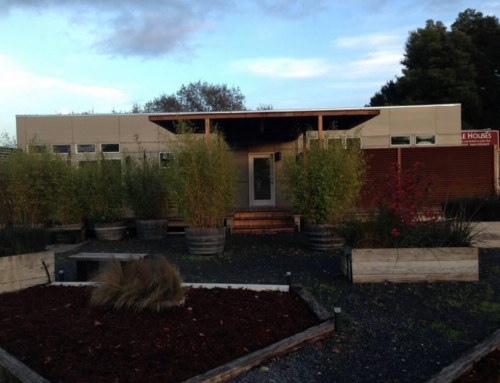
Thoughtful landscaping and covered entries enhance both privacy and curb appeal in ADU projects
Foundation planning is one of the most important parts of the installation process. The type of foundation affects stability, long-term maintenance, utility routing, and financing eligibility.
Common foundation systems include:
Pier and Beam Foundations
These are often used for manufactured homes because they allow easier utility access beneath the structure.
Permanent Concrete Foundations
Some homeowners choose permanent foundations for added stability and long-term property value considerations.
Basement Foundations
In certain cases, manufactured homes may be installed above full or partial basements.
Crawlspace Foundations
These can provide easier maintenance access while keeping utilities protected.
The property’s soil conditions, drainage patterns, and local building codes all influence which foundation type works best.
Preparing Utilities Before Delivery
Many installation delays happen because utility preparation is incomplete before the home arrives.
Utility planning generally includes:
- Water line installation
- Sewer or septic connection setup
- Electrical service preparation
- Gas line routing
- Internet and communication access
- HVAC system preparation
For Sonoma County in-law units or second residential structures, utility capacity should also be reviewed carefully. Existing systems may require upgrades to support additional living space.
Proper drainage around utility areas also matters. Poor water management can create long-term moisture problems beneath the home.
Why Moisture Control Should Never Be Ignored
Modern manufactured and modular homes are built with energy efficiency in mind. While this improves temperature control, tightly sealed construction can also trap indoor humidity if ventilation is insufficient.
Without proper moisture management, homeowners may eventually experience:
- Condensation on windows and walls
- Mold and mildew growth
- Higher HVAC workload
- Poor indoor air quality
- Moisture buildup in crawlspaces
This becomes especially important in compact layouts, smaller residential units, and multi-use properties.
Built-in dehumidification systems can help regulate indoor moisture more effectively than portable units. The IW25, for example, offers a tankless, gravity-drained wall-mounted design that works well for homes up to 1,500 square feet. For layouts where wall or floor space is limited, the HWD45 horizontal dehumidifier can fit above cabinets, doors, or within crawlspaces.
Moisture planning should happen during installation preparation rather than after problems appear.
Site Preparation Before Delivery Day
The property must be fully prepared before the manufactured home sections arrive. Delivery crews typically operate on strict schedules, so unfinished site work can create costly delays.
Preparation often includes:
Clearing the Installation Area
Trees, debris, fencing, or other obstacles may need removal.
Grading the Lot
The site should allow proper drainage away from the foundation.
Creating Delivery Access
Roadways and driveways must support large transport equipment.
Installing Temporary Utilities
Construction crews may require temporary power or water access during installation.
Confirming Foundation Completion
The foundation system must pass inspections before delivery.
If weather conditions delay grading or foundation work, installation schedules may need adjustment.
Understanding the Installation Process
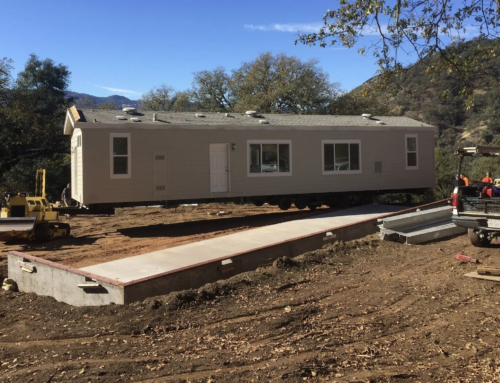
Once the home sections arrive, installation crews position and secure them onto the prepared foundation.
The process generally includes:
- Positioning the home sections
- Securing structural connections
- Completing roofing and sealing work
- Connecting utilities
- Installing skirting if required
- Performing final inspections
- Testing systems and appliances
Final inspections verify that the installation meets local safety and construction standards before occupancy approval is issued.

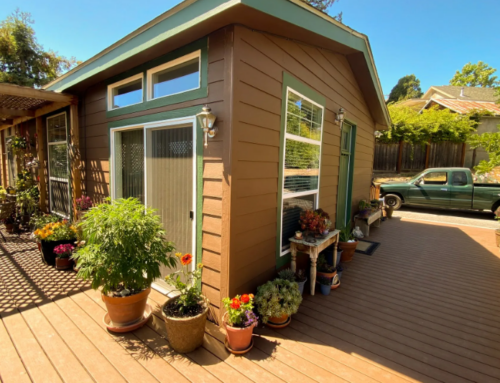
Turning unused areas into functional living units offers a practical way to expand living space without major renovations
Is Your Property Ready for a Manufactured Home Installation?
A successful manufactured home installation project depends on proper preparation long before delivery day arrives. From permits and grading to utilities and moisture management, every step affects long-term performance, comfort, and maintenance.
At Sonoma Manufactured Homes, we help property owners planning ADUs, granny flats, in-law units, and second residential spaces prepare for efficient installation and long-term living performance.
We also understand the importance of indoor moisture control in tightly constructed homes and offer practical dehumidification solutions like the IW25 and HWD45 for efficient residential layouts.
To learn more about planning your installation project, call Sonoma Manufactured Homes at 415-233-0423 today.