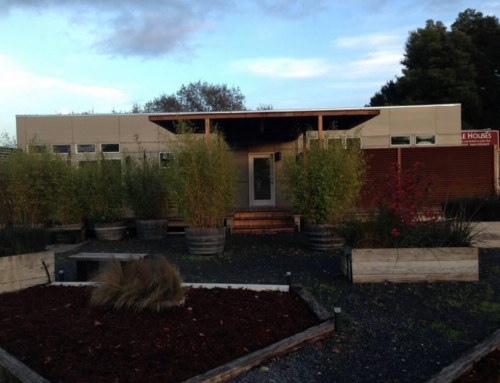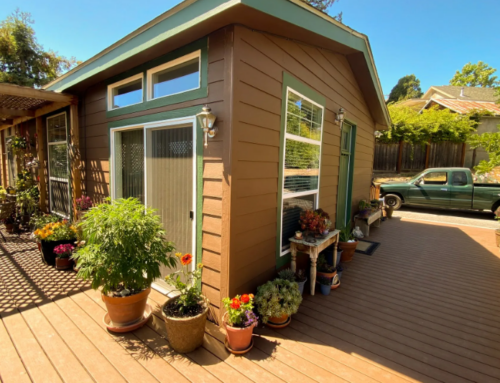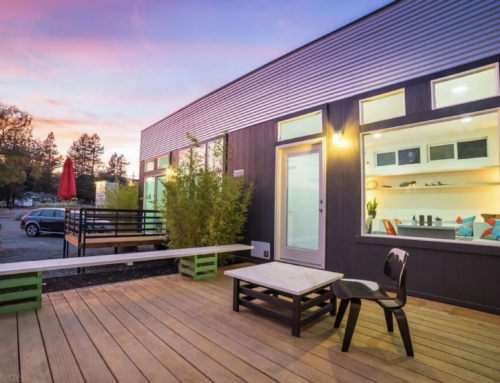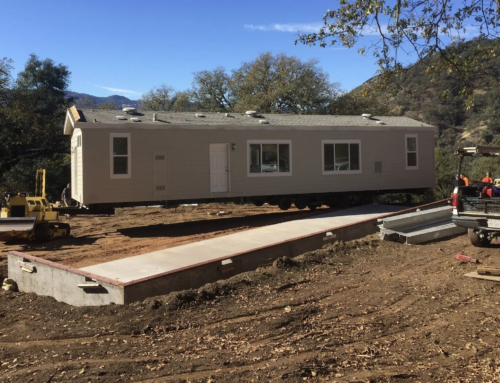

Families looking for a way to provide ongoing care while respecting the independence of their loved ones are increasingly turning to Sonoma caregiver cottages. These small, fully equipped residences are designed to offer accessibility, safety, and comfort for individuals who need daily assistance but want to maintain personal space. Whether it’s an aging parent, a relative with mobility needs, or someone recovering from a medical procedure, caregiver cottages strike the perfect balance between support and autonomy.
For property owners, these cottages are a long-term solution that can adapt as needs change. Their flexible design can accommodate accessibility features like wider doorways, wheelchair ramps, grab bars, and open floor plans that make daily activities safer and easier. This thoughtful approach allows residents to enjoy a sense of independence without sacrificing access to care when it matters most.
Privacy Without Separation
One of the greatest benefits of these cottages is their ability to keep families connected. Rather than relocating a loved one to a distant care facility, a backyard cottage provides proximity while preserving privacy. This arrangement allows caregivers to check in regularly without intruding on the resident’s personal space.
Daily routines become more manageable when help is nearby but not disruptive. Simple tasks like sharing meals, assisting with medications, or offering companionship can be done with ease. At the same time, the resident has a space of their own where they can relax, entertain guests, and maintain a sense of routine and control over their day-to-day life.

Enhancing Safety and Accessibility
Safety is a priority for any family providing care, and caregiver cottages make it possible to create an environment designed with security in mind. Features like slip-resistant flooring, low-threshold showers, and accessible cabinetry help prevent accidents and give peace of mind to both residents and caregivers.
Incorporating smart home technology can further improve safety and convenience. Motion-activated lighting, video doorbells, and emergency alert systems can all be integrated into the design. These additions provide reassurance to family members who want to ensure their loved ones are safe even when they cannot be present.
Supporting Emotional Well-being
Beyond physical comfort, living arrangements have a significant effect on emotional health. Many seniors experience anxiety when faced with moving into an unfamiliar care facility, often leading to feelings of isolation. Caregiver cottages reduce this stress by keeping individuals close to their home environment, community, and family.
This closeness fosters stronger relationships across generations. Grandchildren can visit frequently, neighbors can stop by, and family traditions can continue with ease. Over time, this regular interaction can help improve mood, reduce loneliness, and create a stronger sense of purpose for the resident, which contributes to better overall well-being.

Increasing Property Value and Functionality
Building a caregiver cottage is not just an investment in comfort — it is an investment in property value. These structures can enhance the market appeal of a home by adding a fully functional living space. Future buyers often see the value of having a detached living unit that can be used as a rental property, guest house, or office space.
In competitive real estate markets, homes with additional dwelling units often sell faster and at higher prices, making them a strategic upgrade for homeowners. For those considering additional uses, cottages can also generate income when rented out after they are no longer needed for caregiving. Some families even explore Sonoma ADUs for rental income as part of their financial planning strategy. This flexibility ensures that the cottage remains a functional part of the property for years to come.
Addressing Moisture and Air Quality Concerns
Because cottages and accessory dwelling units are built with tight construction methods for energy efficiency, moisture management becomes a key consideration. Without proper ventilation or dehumidification, issues such as condensation on windows, mold growth, and added strain on HVAC systems can arise.
Homeowners can avoid these problems by integrating built-in dehumidification solutions during construction. Wall-mounted, gravity-drained dehumidifiers can manage up to 1,500 square feet of space, keeping air healthy and comfortable year-round. For smaller layouts, horizontal units installed above doors or in crawlspaces offer effective moisture control without taking up floor or wall space.
Flexible Designs for Long-Term Needs
The beauty of caregiver cottages lies in their adaptability. Families can work with professionals to include features that meet current needs while leaving room for future upgrades. This might include preparing spaces for medical equipment, designing rooms that can transition from a bedroom to an office, or adding storage that keeps care supplies organized and easily accessible.
By thinking ahead, property owners can ensure that the cottage remains functional as needs evolve — whether it continues to house a relative, becomes a guest suite, or is transformed into a rental property.

Building a Future-Proof Solution
Adding a caregiver cottage can be one of the most meaningful investments a family makes, both emotionally and financially. These units provide a safe, comfortable space for loved ones while preserving independence and strengthening family bonds. They also serve as long-term assets, offering flexible uses such as rental opportunities or guest accommodations once caregiving needs change.
For those ready to create a practical solution that supports caregiving while adding value to their property, working with Sonoma Manufactured Homes, who understand Sonoma caregiver cottages, custom small home installations, and manufactured home permits, can make the process smooth and efficient. For guidance on designing and installing a cottage that balances accessibility with comfort, visit our gallery and call 415-233-0423 or reach out through the contact page to get started today.