Winter in Sonoma County brings cool, damp air that can make compact living spaces feel challenging without the right design strategies. Many homeowners are choosing Sonoma County small homes for their efficiency and smart layouts, but colder months demand thoughtful planning to maintain steady warmth, consistent airflow, and healthy indoor moisture levels. Precision-built small homes are uniquely positioned to handle these seasonal demands when supported by the right construction, ventilation, and dehumidification solutions. This blog explores how modern design, controlled building systems, and moisture-smart features help small homes remain warm, balanced, and comfortable throughout the season.
Balanced Building Envelopes That Maintain Seasonal Comfort
A well-sealed building envelope is essential for keeping winter air out while preserving indoor heat. Precision construction limits drafts and creates a stable living environment, which is particularly important in compact spaces where temperature shifts can be felt more quickly. Many homeowners exploring affordable small homes in Sonoma County benefit from materials and assembly techniques that regulate indoor temperatures without excessive energy use. When structures are built with tight seams, insulated wall systems, and reinforced seals, they minimize heat loss while creating a more consistent seasonal experience.
Moisture Management as a Core Component of Winter Design
Even with strong insulation, moisture remains one of the biggest winter challenges. Because compact homes tend to trap air, proper ventilation and dehumidification are essential for preventing condensation on surfaces, mold formation, or strain on heating systems. This is especially important for modern units such as granny flats and in-law units, which often feature efficient layouts that rely heavily on controlled airflow. Built-in solutions, including wall-mounted or horizontal dehumidifiers, ensure indoor humidity stays balanced without constant manual effort, supporting long-term structural and indoor-air quality health.
Efficient Heating Strategies Designed for Compact Layouts
Heating systems in small homes must adapt to limited square footage while still delivering comfort. Zoned heating and well-placed vents allow warmth to circulate evenly without overwhelming the home. When paired with precision framing and thoughtful airflow planning, these systems maintain stable warmth in various small-space designs, including backyard cottages and home care cottages. Efficient heating strategies also support the longevity of interior finishes by reducing the extreme temperature changes that can occur in winter.
Ventilation Pathways That Prevent Seasonal Stuffiness
Winter often leads residents to keep windows closed for longer periods, creating the potential for stuffy interiors. Purposeful ventilation channels help maintain air exchange while preserving energy efficiency. Homes built through custom small home installations often integrate dedicated pathways for stale air to exit and fresh air to enter without letting indoor heat escape excessively. Balanced ventilation also ensures that moisture created through cooking, showering, or daily activity does not accumulate, which is vital in tightly constructed environments.
Structural Durability and Adaptability for Seasonal Shifts
Winter months can bring heavier moisture, cooler nights, and shifting environmental conditions, all of which require durable home construction. Precision-built small homes rely on controlled factory environments to ensure framing remains true and moisture exposure during construction is limited. This manufacturing consistency benefits long-term performance in both new builds and updates to existing Sonoma County second units. When paired with high-performance moisture barriers and controlled indoor humidity, these homes retain their structural reliability across changing seasons.
Smart Placement of Utilities for Reliable Winter Living
Utility placement plays an important role in maintaining winter comfort. When heating units, water heaters, and ducting are positioned strategically, heat reaches living areas more evenly, and systems operate with less strain. Compact living spaces created through small home construction often rely on careful planning to avoid cold pockets or uneven temperature distribution. This design approach also supports easier maintenance, as accessible utilities reduce seasonal disruptions or performance issues.
Optimizing Space Without Compromising Seasonal Comfort

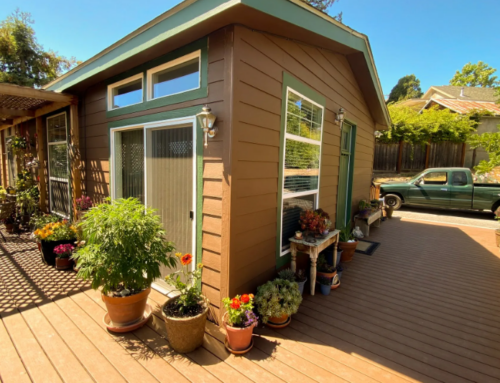
Secondary units beside the main house optimize space while maintaining comfort
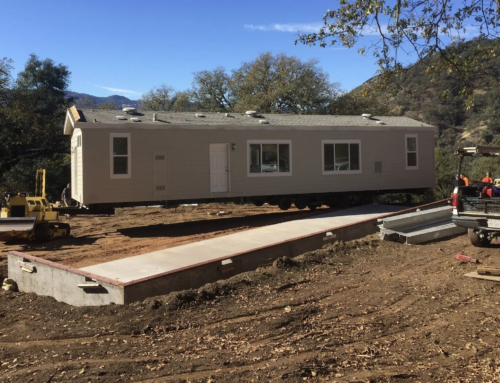
Compact layouts demand resourceful planning to ensure comfort during cooler months. Built-in storage, efficient circulation routes, and purposefully positioned windows contribute to better airflow and more stable indoor temperatures. These considerations are especially beneficial in structures that require relocation or precise placement, such as homes undergoing manufactured home transport or seasonal setup adjustments. Well-planned interiors reduce clutter, allow air to move freely, and make heating systems more effective.
Precision-Built Designs That Support Long-Term Seasonal Efficiency
Prefabricated and modular building approaches give small homes the advantage of exact assembly, which leads to better performance during winter. Factory-built sections experience controlled humidity during construction, helping reduce long-term moisture concerns. This contributes to the ongoing comfort and performance of projects such as prefab ADU in Sonoma County and other small secondary units.
A Smarter Seasonal Home Experience Through Moisture Solutions
Winter comfort is not just about heat; it is equally about balanced air quality. Advanced dehumidification systems designed specifically for compact environments ensure that indoor air remains dry and comfortable even on damp days. This protects interior finishes, supports heating system efficiency, and creates a more stable indoor climate. Modern solutions are tailored for homes ranging from compact secondary spaces to manufactured home permits–approved structures, supporting year-round comfort without compromising design or functionality.
Season-Ready Living for Expanding Lifestyle Possibilities
Many residents choose compact structures during winter for flexibility, proximity to family, or the need for additional space. Whether used for guests, caregivers, or independent living, thoughtfully built custom small homes in Sonoma County offer long-term comfort even during seasonal shifts. Strong insulation, controlled ventilation, moisture-smart layouts, and adaptable heating strategies ensure these units remain warm, welcoming, and healthy throughout the colder months
Move Forward With a Warm, Balanced Winter Home

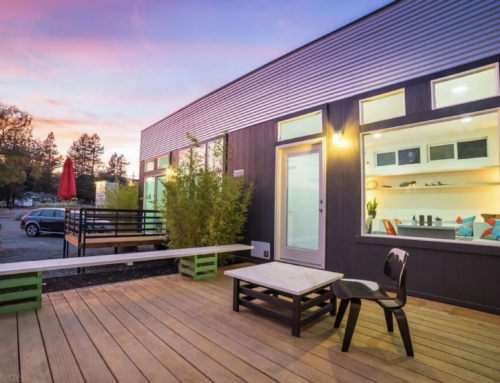
A main house with a green house, designed for warmth and balance during winter
Ensuring comfort in cold months begins with thoughtful preparation, and many homeowners look for solutions that maintain steady warmth, control moisture, and support long-term dependability. Seasonal challenges highlight the need for efficient construction, strong airflow, and built-in dehumidification support. These are the areas where Sonoma ADU structures and related living spaces benefit from proper planning and moisture-smart design. As the team at Sonoma Manufactured Homes continues advancing high-quality solutions for compact living, the focus remains on helping homeowners create stable, winter-ready environments tailored to their lifestyle needs. With refined layouts, reliable installation methods such as ADU installation in Sonoma County, and precision-built moisture control options, these homes offer comfort throughout the season. To discuss your specific needs and explore how support can be provided, call us now or reach out to the team today through the available contact options.