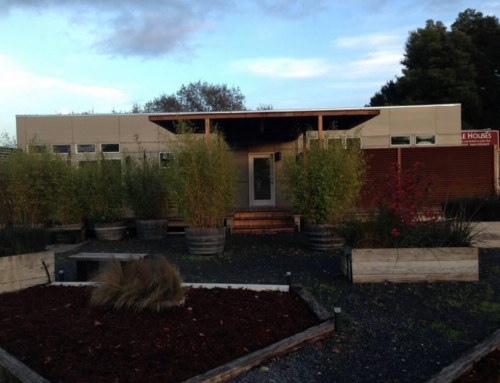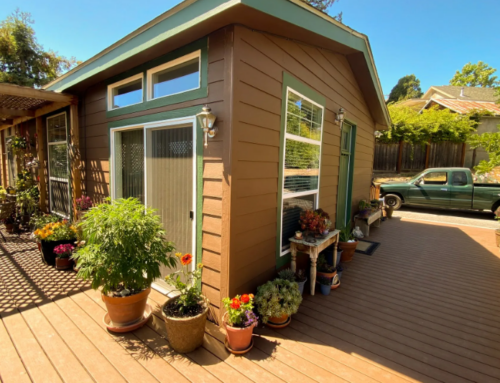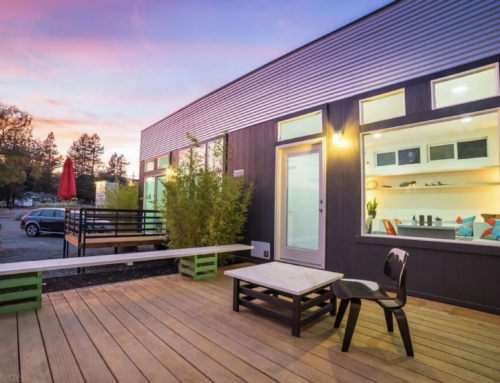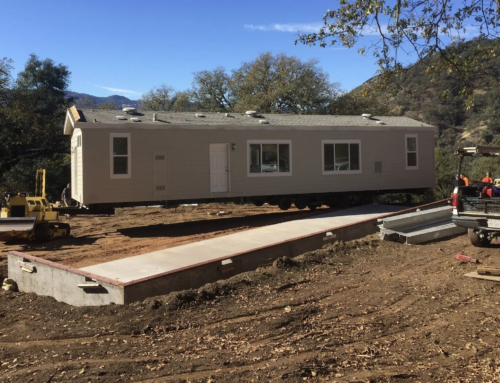
Image Caption: If you’re considering installing small homes and want guidance that accounts for real-world conditions, call us at 415-233-0423
What surprises most people after choosing a compact home—the build itself, or everything that must happen before it arrives? Most moisture-related problems in energy-efficient homes are tied to ventilation and humidity control issues, not structural defects.
That single reality shapes many of the questions we hear about installing small homes, from site readiness to long-term comfort. At Sonoma Manufactured Homes, we work with property owners who want efficient modular housing that performs well in real life, especially when it comes to indoor air quality.
This article answers the most common questions about installing small homes, including preparation, timelines, coordination, and the often-overlooked role of moisture management in modular builds.
Is Our Property Ready for a Small Home?
One of the first questions we ask ourselves is whether a site can support installing small homes without delays. Readiness is less about size and more about conditions.
Key factors to confirm early:
- Zoning and permitting:Local regulations may dictate placement, height, setbacks, and utility connections.
- Soil and grading:Stable soil and proper grading support foundations and drainage.
- Utility access:Water, sewer or septic, electricity, and internet access must be planned before delivery.
- Access for delivery:Transporting prefab sections requires clear access points and turning space.
For those considering custom small homes in Sonoma County, early site checks help prevent schedule changes later.
How Long Does Installation Usually Take?
Timelines vary, but modular construction generally shortens on-site work compared to traditional builds. Manufacturing happens off-site while foundations and utilities are prepared, allowing multiple steps to move forward at once.
Typical phases include:
- Design finalization and permits
- Factory construction
- Site preparation
- Delivery and set
- Utility connections and finishing work
While factory production is predictable, weather, inspections, and utility coordination can affect final installation dates. Planning keeps prefab small homes in Petaluma on track.
Who Coordinates the Different Trades?
Another common concern is coordination. Installing small homes still involves multiple professionals, even if on-site time is reduced.
We usually see coordination across:
- Foundation contractors
- Utility providers
- Set crews and crane operators
- Inspectors
Clear communication among all parties keeps small home construction in Sonoma County efficient and compliant.
What About Moisture and Indoor Humidity?

One of the first questions we ask ourselves is whether a site can support installing small homes without delays
This is where many homeowners are caught off guard. Modular homes are built to be tight and efficient, which is excellent for energy use but challenging for moisture control.
Without proper management, tightly sealed homes can experience:
- Condensation forming on windows and walls
- Mold and mildew growth in hidden spaces
- Added strain on HVAC systems
For compact layouts, built-in dehumidification becomes part of the home’s performance, not an add-on. Wall-mounted, gravity-drained systems can quietly manage moisture without tanks or constant maintenance. Horizontal units that fit above doors or inside crawlspaces also work well when wall space is limited. These approaches are especially helpful in modular homes designed for city living, where efficiency and comfort must work together.
Do Small Homes Require Special Foundations?
The foundation type depends on soil conditions, design, and local requirements. Options may include:
- Concrete slabs
- Raised foundations
- Crawlspaces
Each option affects drainage and moisture behavior beneath the home. Proper airflow and drainage under the structure reduce long-term humidity risks and protect materials over time.
Can Small Homes Be Customized?
Yes, and this is often misunderstood. Modular does not mean limited. Many owners choose layouts, finishes, and mechanical systems that fit their needs.
Customization may include:
- Open living areas with efficient storage
- Energy-efficient windows and insulation
- Integrated ventilation and moisture control systems
For those planning installing small homes as long-term residences, these choices directly affect comfort and durability.
How Does Installation Affect Neighboring Properties?
Delivery and set days are the most active parts of the process. Crane use, temporary street access, and short-term noise are common considerations.
Advance planning helps by:
- Scheduling deliveries during approved hours
- Notifying neighbors ahead of time
- Coordinating inspections promptly
This approach keeps prefab installations respectful of surrounding properties.
Are Small Homes a Good Long-Term Investment?

Installing small homes still involves multiple professionals, even if on-site time is reduced
When properly planned, compact modular homes offer predictable construction quality and efficient operation. Moisture control, ventilation, and material selection play a major role in how the home performs over decades.
Homes that manage humidity well tend to:
- Maintain interior finishes longer
- Support healthier indoor air
- Reduce unexpected maintenance costs
These factors matter just as much as layout or exterior appearance.
What Should Be Decided Before Ordering the Home?
Before production begins, several decisions should already be settled:
- Final placement on the property
- Utility connection points
- Foundation type
- Ventilation and dehumidification approach
Addressing these items early keeps installing small homes straightforward and avoids revisions later.
What Makes a Small Home Installation Feel Effortless?
Is it the speed of modular construction, or the confidence that every detail has been considered before move-in? At Sonoma Manufactured Homes, we help property owners plan compact housing that performs as well behind the walls as it does on the surface.
From efficient modular construction to built-in moisture control solutions designed for smaller footprints, our approach supports comfort, durability, and long-term value.
If you’re considering installing small homes and want guidance that accounts for real-world conditions, call us at 415-233-0423 to discuss how we can help your project move forward with clarity and confidence.