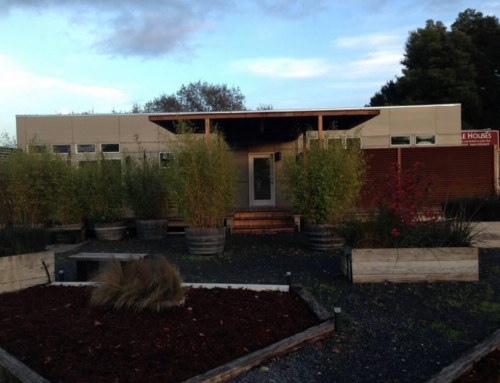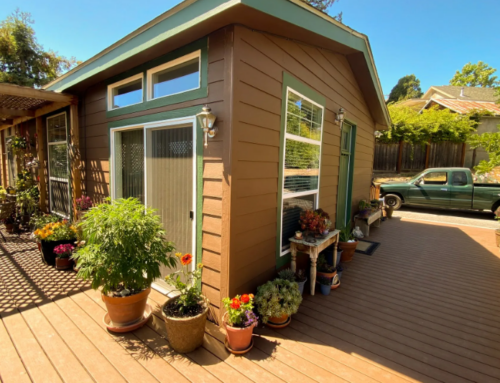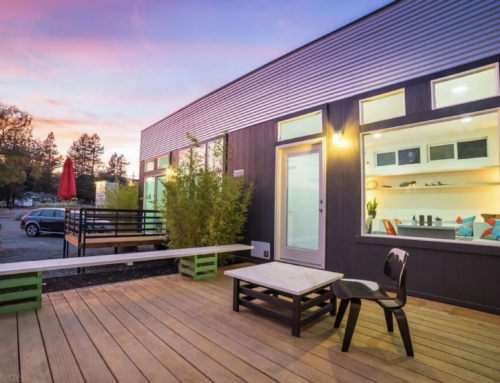
Property owners seeking long-term financial stability are increasingly turning to Sonoma ADUs for rental income as a practical solution. Accessory dwelling units provide an opportunity to generate consistent monthly revenue while enhancing property value. However, success depends on careful planning, informed design decisions, and compliance with local regulations. A well-executed project balances livability for tenants with durability and efficiency for owners.
Understanding the Income Potential
An ADU can serve as a steady rental asset when designed with market demand in mind. Long-term tenants often look for privacy, functional layouts, and reliable utilities. By offering a self-contained residence with a separate entrance, kitchen, bathroom, and sleeping area, homeowners create an attractive housing option.
Demand for Sonoma ADU units remains strong due to housing shortages and rising rental costs. A thoughtfully built unit can command competitive rent while maintaining lower overhead than traditional investment properties. Owners also benefit from proximity, allowing easier property oversight and reduced management expenses.
Before beginning construction, it is wise to research average rental rates in the area. This analysis helps determine a realistic return on investment and guides decisions about size, finishes, and amenities.

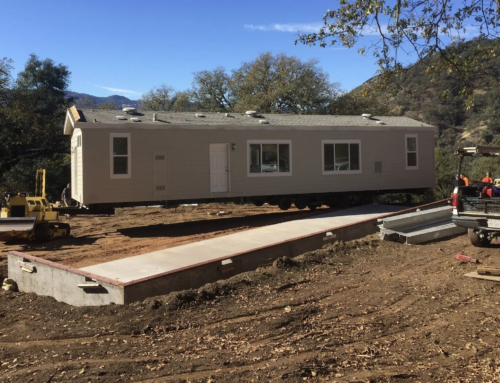
Clear timelines and proper approvals help Sonoma ADUs for rental income move from planning to profitable leasing faster
Design Choices That Support Rental Success
Design plays a significant role in long-term profitability. Durable materials reduce maintenance costs, while efficient layouts maximize usable space. Open-concept living areas, adequate storage, and natural light appeal to tenants seeking comfort without excess square footage.
Energy efficiency also influences tenant satisfaction. Proper insulation, modern HVAC systems, and energy-efficient appliances lower utility expenses and improve year-round comfort. In many cases, energy compliance documentation is required during the permitting process.
When planning small home construction, property owners must also consider setback requirements, height limits, and lot coverage restrictions. Early coordination with designers and installers ensures the final layout aligns with regulatory standards.
Accessibility features can further expand rental appeal. Step-free entrances and wider doorways make units suitable for a broader range of tenants, including older adults or individuals with mobility needs.
Installation Timelines and Project Phases
Understanding installation timelines helps property owners plan finances and rental availability. While each project varies, most ADU builds follow several predictable stages: design approval, permit submission, site preparation, delivery or framing, utility connections, inspections, and final occupancy clearance.
Securing ADU installation approval often requires the submission of architectural plans, energy compliance forms, and foundation details. Review periods depend on application completeness and local workload. Prompt responses to correction notices can prevent unnecessary delays.
From permit submission to final approval, timelines can range from several months to longer, depending on project scope and review cycles. Building flexibility into financial planning helps avoid stress during the waiting period.
Regulatory Considerations and Compliance
Rental ADUs must meet the same health and safety standards as primary residences. Electrical systems, plumbing connections, ventilation, and structural anchoring are all subject to inspection. Smoke alarms, carbon monoxide detectors, and proper egress windows are mandatory.
In many cases, manufactured home permits are required alongside local building approvals. These permits confirm that the structure complies with state standards before installation. Failing to secure proper authorization can result in penalties or difficulties obtaining a certificate of occupancy.
Local ordinances may also address parking, owner-occupancy rules, and rental duration restrictions. Some jurisdictions limit short-term rentals, encouraging long-term leasing instead. Property owners should verify current regulations before committing to a specific rental strategy.
Financing institutions and insurance providers often request documentation confirming full compliance. Organized recordkeeping simplifies refinancing, resale, or future property modifications.
Budget Planning and Return on Investment
Accurate budgeting strengthens the financial performance of a rental ADU. Costs typically include design services, permits, site preparation, foundation work, utility connections, delivery or framing, and interior finishes. Contingency funds should account for unexpected expenses.
Although upfront investment may appear significant, rental income can offset construction costs over time. Additionally, adding an ADU may increase overall property valuation, providing long-term equity growth.
Some homeowners structure financing through home equity loans or construction loans. Rental income projections help determine loan viability and repayment timelines. Conservative estimates reduce financial strain if market conditions shift.

From permits to placement, structured planning strengthens returns from ADUs for rental income
Long-Term Management Considerations
Owning a rental unit on the same property requires thoughtful management. Clear lease agreements, regular maintenance schedules, and prompt communication foster positive tenant relationships. Proximity allows faster response to repair requests and oversight of property conditions.
Privacy remains important for both landlord and tenant. Strategic placement of entrances, fencing, or landscaping elements supports comfortable coexistence. Soundproofing measures between structures can further enhance satisfaction.
As part of broader housing trends, small homes continue to gain attention for their adaptability and affordability. When structured responsibly, these units serve both personal and financial goals.
Turning Planning Into Profitable Results
Smart ADU planning combines financial foresight with regulatory compliance and thoughtful design. By investing in Sonoma ADUs for rental income, property owners create dependable revenue streams while strengthening long-term property value. Careful coordination of ADU installation requirements and proper manufactured home permits ensures the project moves from concept to approved residence without avoidable setbacks.
For those ready to build a compliant rental unit, Sonoma Manufactured Homes provides expert guidance, professional installation, and a gallery of options suited to diverse property needs. Visit our contact page to discuss available models, or call 415-233-0423 to begin planning an income-producing ADU with confidence and clarity.